
Hair thinning can result from genetics, hormonal changes, stress or health conditions. PRP treatment uses platelets from your own blood to support hair follicles. Results depend on the cause of hair loss and the condition of the follicles.
PRP and Hair Growth
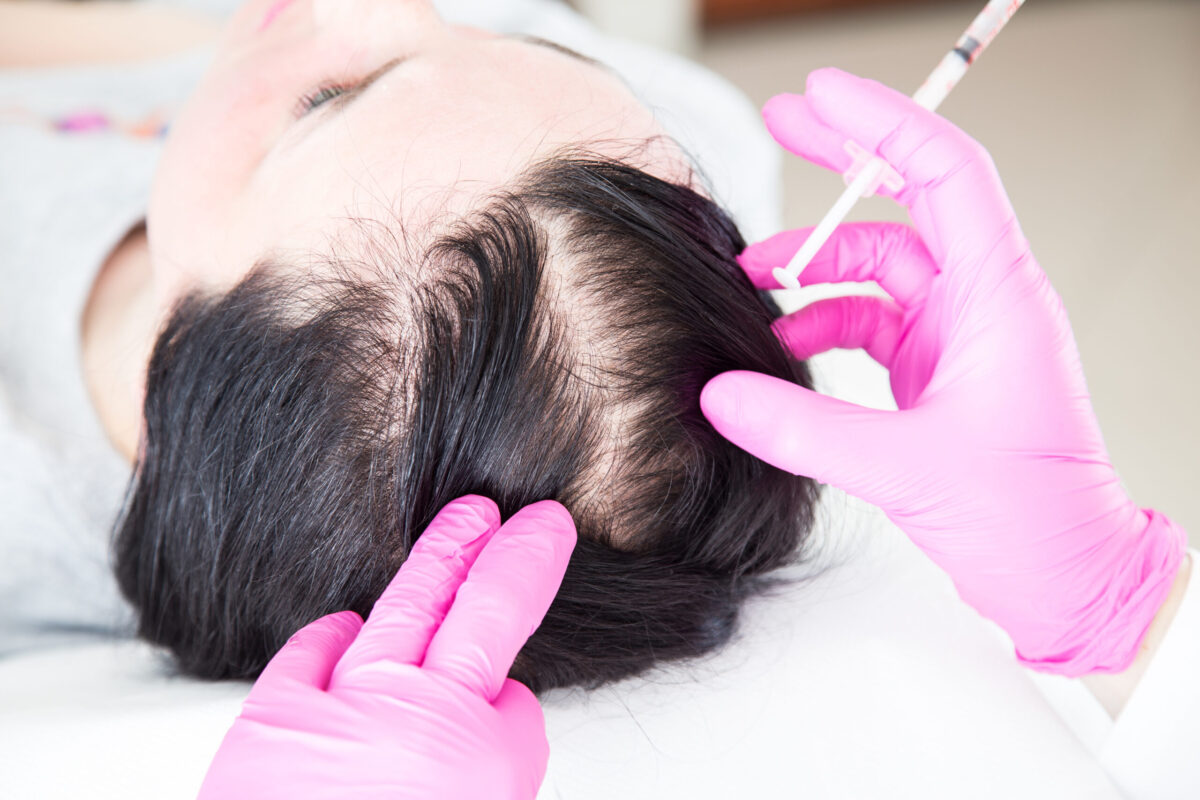
PRP treatment uses platelets from your own blood to support the scalp and hair follicles. A healthcare professional prepares the blood sample in a centrifuge and injects the platelet-rich plasma into selected scalp areas. It may improve hair density in some people but results vary.
Can PRP Help When Hair Starts Thinning?
PRP may be more useful when hair follicles are still active but produce thinner strands. Early hair thinning can sometimes respond better than areas where follicles have been damaged or lost for a long time.People with early pattern hair loss may be suitable candidates. A dermatologist will examine the scalp and review the pattern of hair loss before recommending treatment.
PRP may not work equally well for everyone. Its effectiveness depends on the underlying condition, the stage of hair loss and individual response to treatment.
Signs of Hair Thinning
Hair thinning can develop gradually. Paying attention to early changes can help you seek the right advice.
Common signs include:
- A wider parting than before.
- A receding hairline.
- Less hair volume around the crown.
- More visible scalp in certain areas.
- Hair strands that look finer than usual.
Key Points to Know:These signs do not always mean PRP is the right choice. Hair loss can result from different causes. A dermatologist should identify the cause before recommending a treatment plan.
PRP Hair Treatment Steps
PRP treatment usually involves a few simple steps. A trained professional performs the procedure in a clinical setting.
- Blood collection: The professional takes a small sample of your blood.
- Plasma preparation: A centrifuge separates the platelet-rich portion from other blood components.
- Scalp preparation: The treatment area is cleaned before the injections.
- PRP application: The professional injects the prepared plasma into selected areas of the scalp.
Must-Know Facts:The procedure does not require hair transplantation. However, the number of sessions depends on your scalp condition and the treatment plan recommended by your provider.
Number of PRP Sessions
One session may not provide noticeable changes. Many treatment plans involve several sessions over a period of weeks or months. Maintenance sessions may also be recommended.The exact schedule varies between patients. Your dermatologist will consider the cause of hair loss and your response to treatment.Hair growth takes time. You may need several months to assess whether the treatment is helping. Taking scalp photographs before treatment can help you compare changes over time.
Expected PRP Results
PRP may reduce hair shedding and improve hair density in some people. Results vary depending on the cause and severity of hair loss. A dermatologist can explain realistic outcomes and recommend suitable treatments.
Side Effects
PRP uses material from your own blood. Even so, the procedure can cause temporary side effects.
These may include:
- Mild pain or tenderness.
- Redness or swelling around the injection sites.
- Minor bruising.
- Temporary scalp discomfort.
Must-Know Facts:Infection and other complications are less common but remain possible. Choose a qualified professional who follows proper hygiene and injection procedures. Tell your provider about your medical conditions and medicines before the session.
Other Causes of Hair Loss
Hair loss may result from genetics, hormonal changes, stress, or health problems. A dermatologist can identify the cause and recommend suitable treatment. Avoid taking supplements or stopping medicines without medical advice.
Safe PRP Treatment and Professional Care
Look for a qualified dermatologist or trained medical professional who can assess your scalp and explain the available options. Ask about the procedure, expected results, possible side effects and the number of sessions you may need.
If you are searching for the Best PRP Treatment in Lahore focus on professional assessment, safe procedures and realistic treatment advice. A clinic should not promise guaranteed hair growth.
At Institute Cosmetique patients can discuss their hair concerns and explore suitable treatment options with professional guidance.
Sum up
PRP may help support hair growth when thinning has started and the hair follicles remain active. However results depend on the cause and severity of hair loss. Early assessment can help identify the most suitable approach.A dermatologist can determine whether PRP is appropriate for you. They can also recommend other treatments if PRP alone is unlikely to meet your needs.