
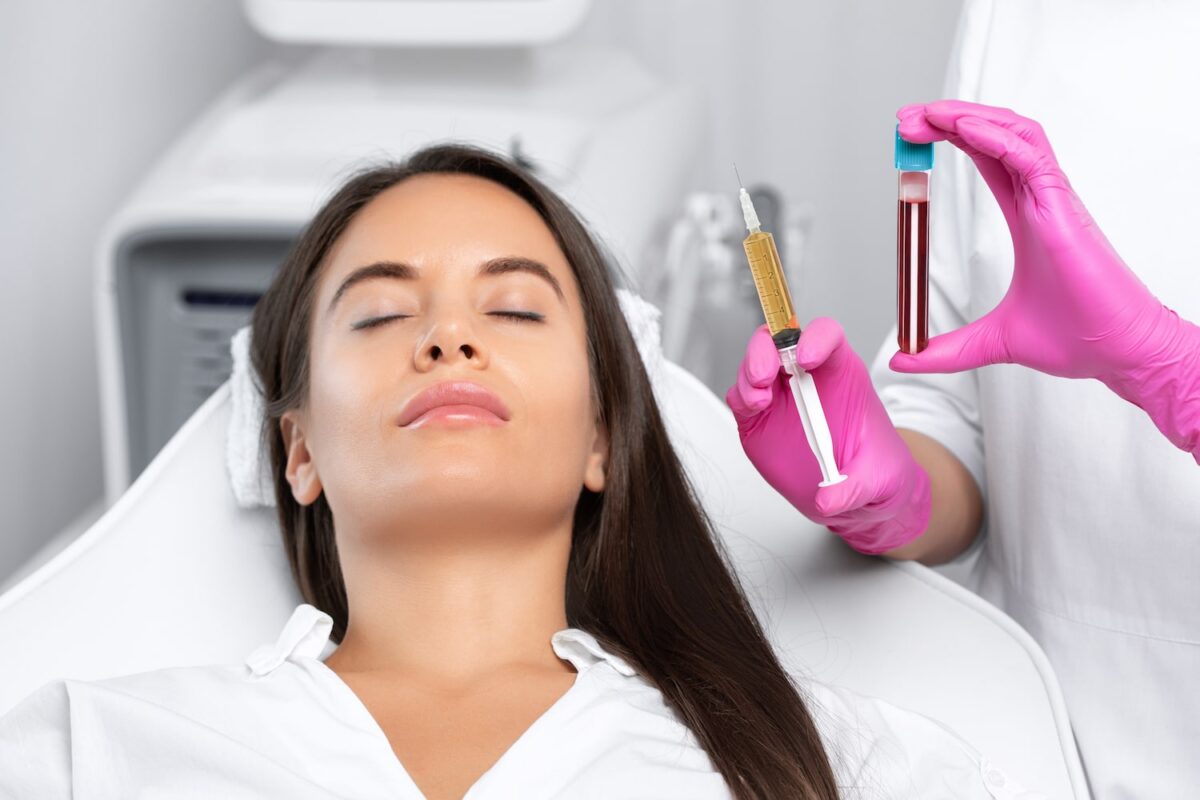
Many people look for treatments that can improve dull skin and uneven texture. PRP is one option that may help improve the skin’s appearance. Its results depend on the person’s skin condition and treatment needs.
PRP Treatment
The procedure starts with collecting a small blood sample. A special machine separates the platelet-rich portion from the rest of the blood. The practitioner then applies or injects this preparation into the selected area of the skin.
Reasons People Choose PRP For Skin Care
Some people consider PRP when they want to improve the appearance of their skin without relying only on topical products. A practitioner may recommend it as part of a wider skin care plan.
PRP may help with:
- Uneven skin texture.
- Early signs of skin ageing.
- The appearance of fine lines.
- Skin that looks tired or dull.
- Certain skin concerns that may benefit from collagen support.
Key Points to Know:The level of improvement varies. Treatment should be selected according to the skin’s condition rather than general beauty trends.
PRP and Other Skin Treatments
Different skin procedures target different concerns. Chemical peels work on the skin’s surface. Laser treatments use light energy while microneedling creates tiny controlled punctures in the skin.
PRP uses a platelet-rich preparation obtained from the patient’s blood. It may be used alone or alongside another procedure when a qualified practitioner considers the combination appropriate. The best option depends on the desired outcome, skin sensitivity, and medical history.
The PRP Treatment Process
Before treatment the practitioner examines the skin and discusses the patient’s expectations. This visit also provides an opportunity to review medicines, health conditions and possible risks.
The treatment usually includes blood collection and preparation of the platelet-rich plasma. The practitioner then delivers it using the selected technique. The exact process can differ between clinics and treatment plans.
Mild swelling, redness or bruising may develop afterward. These effects are often temporary. Proper aftercare can help reduce irritation and support recovery.
When Skin Changes May Become Noticeable
Visible improvement does not happen at the same time for everyone. Some people may notice gradual changes over several weeks. Others may see only a small difference.
Your practitioner may suggest more than one session, depending on your needs. The interval between appointments should follow the recommended treatment plan.
PRP cannot promise a particular result. Deep wrinkles, acne scars and other skin concerns may require different treatments or a combination of procedures.
Side Effects to Keep in Mind
Redness, tenderness, swelling and bruising are possible after PRP. These effects may vary depending on the treatment method and individual sensitivity.
Infection and other complications can also occur. The risk may increase when proper hygiene or safe treatment techniques are not followed.
Tell your practitioner about existing health conditions and any medicines you take. This information helps determine whether the procedure is appropriate for you.
Getting PRP Treatment From a Qualified Professional
Check the practitioner’s qualifications and experience before booking a session. Ask how the procedure will be performed and what results are realistic for your skin. The clinic should also explain the possible risks and aftercare requirements.
If you are comparing options for the Best PRP Treatment in Lahore consider professional experience, hygiene standards and the quality of the consultation. A suitable provider should discuss your concerns instead of promising perfect results.
Key Points to Know:At institute cosmetique, patients can discuss their skin goals and ask about treatment options suited to their needs.
Sum up
PRP may be an option for people seeking improvements in skin texture and appearance. However it is not suitable for everyone and the results are not guaranteed.Discuss your concerns with a qualified professional before making a decision. A clear treatment plan can help you understand the likely benefits, limitations and recovery process.
Frequently Asked Questions
1. Can anyone receive PRP for skin care?
No. Suitability depends on your health, skin condition and medical history. A professional assessment is important before treatment.
2. How many appointments might I need?
The number depends on the concern being treated and how your skin responds. Your practitioner can recommend an appropriate schedule.
3. Will I feel pain during the procedure?
Some discomfort may occur, particularly during injections. Your practitioner can explain ways to manage it.
4. Do PRP results last forever?
No permanent result can be promised. The duration of improvement varies, and natural skin ageing continues.
5. Is PRP enough to treat acne scars?
PRP may help improve the appearance of some scars in selected cases. The result depends on the type and depth of scarring. Other treatments may be needed.